Our History
Discover the stories, people and places that have shaped Clevedon, from its earliest days to the community we know today.
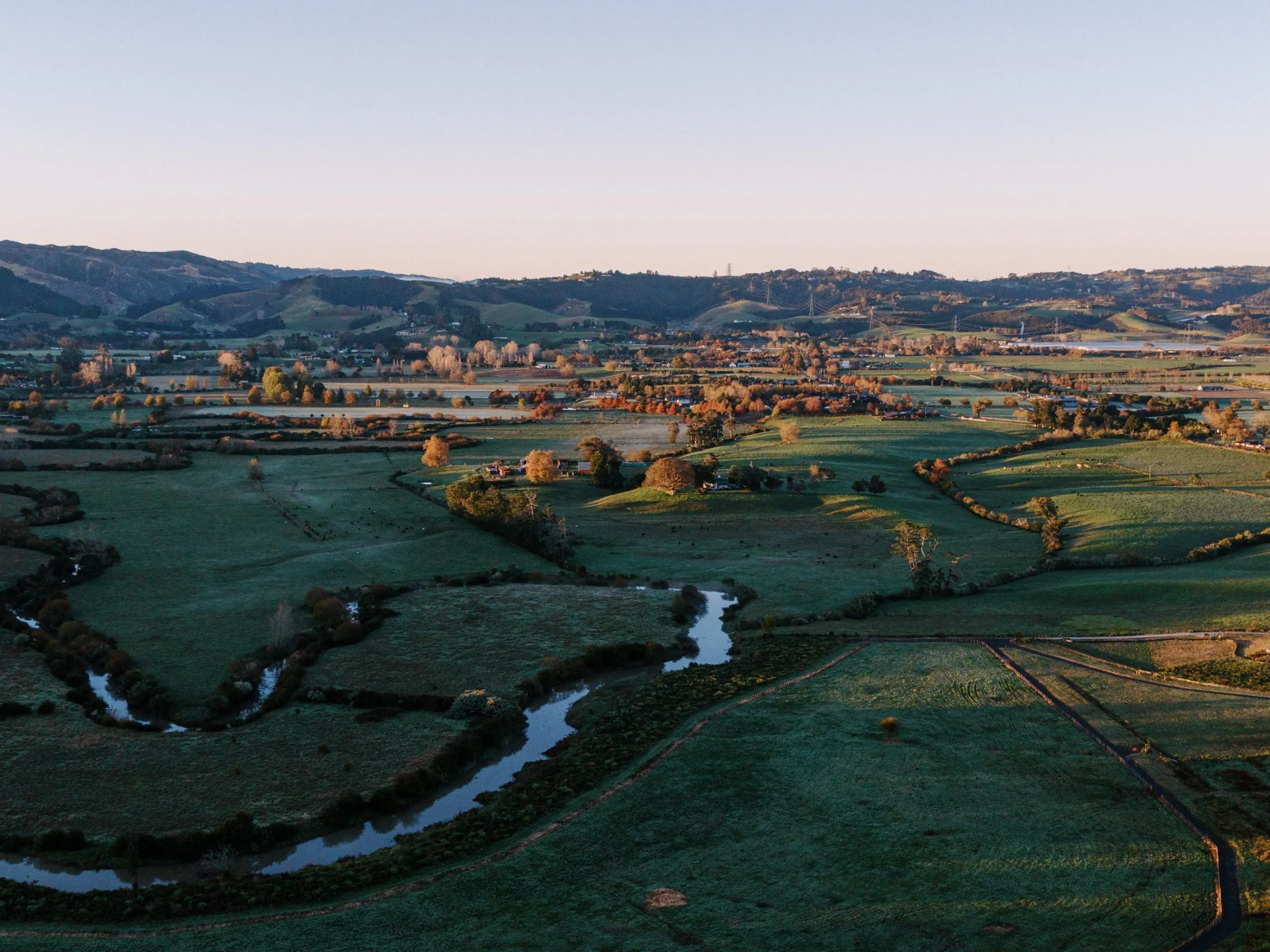
Clevedon’s story begins long before the village we know today. From the deep connection of Ngāi Tai ki Tāmaki to Te Wairoa and the Wairoa Valley, to the arrival of European settlers and the development of the community, its history is woven through the land, river and people who have called this place home.
Ngāi Tai ki Tāmaki
The history of Te Wairoa which became Clevedon starts with the waka Tainui, the evolution of Ngai Tai and neighbouring Ngati Paoa as two predominant iwi, and the inrush of settlers to create the family farms that would identify the district.
— Jessie Munro, Voices of Belonging
Ngāi Tai ki Tāmaki are acknowledged as being amongst the original inhabitants of Aotearoa and have a long and unbroken connection with Clevedon and the Wairoa Valley.
Although their whakapapa best describes their connection to the whenua, they have a tino taonga currently residing in the Auckland Museum – a fossil human footprint dating from the founding eruption of Te Rangi-i-totongia-ai-te-Ihu-o-Tamatekapua (Rangitoto) over 600 years ago. This footprint was discovered on Te Motutapu-o-Taikehu (Motutapu), a place long held sacred to Ngāi Tai for their many wāhi tapu and association with tupua of the motu (islands).
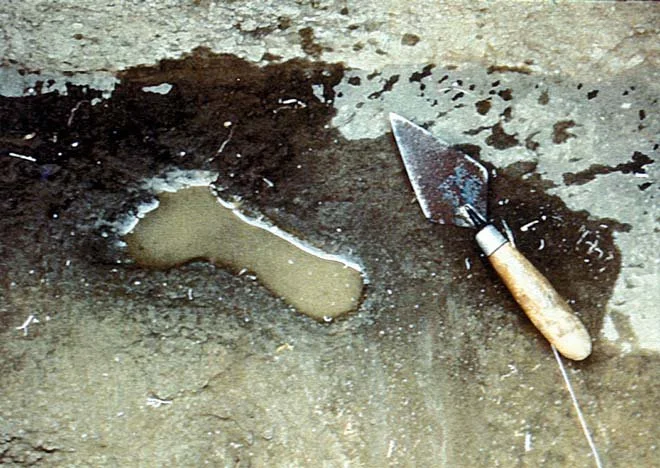
The footprint preserved in ash following the eruption of Rangitoto – circa 1400 CE. Sunde site, Motutapu.
Before entering Te Waitematā in the 1300’s, Tainui and its crew members carried out tapatapa and uruuruwhenua rites for entering new lands and waters at Tīkapa Moana.
Of importance to modern day Ngāi Tai the Tainui traditional kōrero speaks of the waka anchoring within the stretch of Te Whakakaiwhara coastline known as Tararahi, ‘many Terns’. Here they saw the wide river mouth of a long river naming it Te Wairoa after the familiar Te Vairoa in Tahiti.
The people of the waka went ashore and made a feast of the ‘Whara’ flowers from the kiekie vine hence it was known thereafter as Te Whakakaiwhara (the feastmaking of Whara). Here one of the crew, Tāne Whakatia, planted a Karaka seed within a rock crack which grew to provide a sacred grove called Te Huna a Tāne. This grove continues to flourish to this day. Once the ceremonies were complete at Te Whakakaiwhara, the waka moved into the long tidal passage which they named Te Maraetai ‘The Marae of the Tides or ‘Enclosed Tide’, this area being directly in front of Ngāi Tai ki Tāmaki’s present day Marae, Umupuia. This name was given as the sea was so calm as to resemble an ‘Atea’, courtyard enclosure of a Marae.
Ngāi Tai lived at Whakakaiwhara and in the Wairoa Valley for hundreds of years, building gardens and a pā. Other iwi also have associations with the area.
-
Ngai Tai ki Tamaki’s history is rich and detailed in a number of online records;
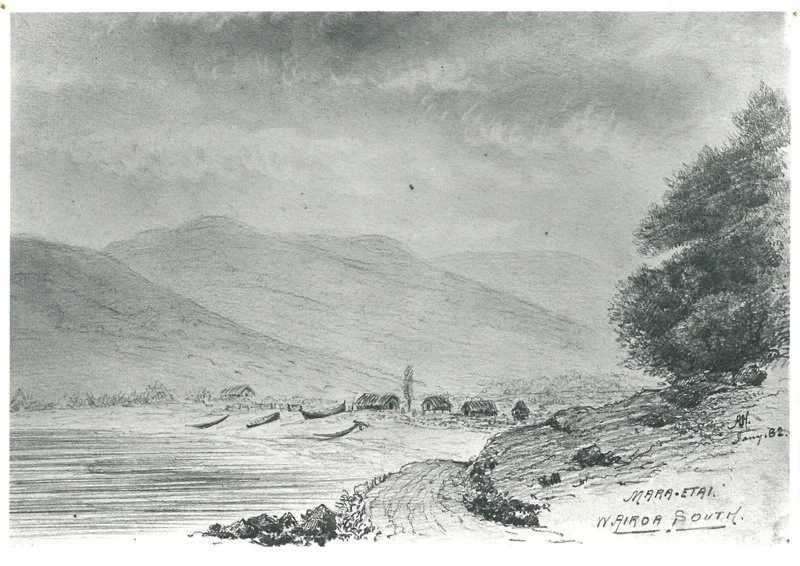
Maraetai – Umupuia circa 1882
Clevedon Village
Clevedon village as we know it today, was established in the late 1850s. The earliest European settlers were the McNicol and Hoye families who bought land on the east and west sides of the Wairoa River in 1853.
On the eastern side of the river and just over the Clevedon Bridge you can see a Cairn dedicated to the settlers; as well as a plaque commemorating the hundred-year anniversary of the arrival of the immigrant ship SS Viola in 1865. This shipload of passengers made for a large influx of farmers, miners, carpenters etc to the area and the farmers took over 10-acre blocks of land that had been allotted to them by the Government. Many others were moved to Papakura and eventually spread out over a wider area.
A Clevedon Trails network was conceived at the very early stages of a growth plan for Clevedon Village when the community expressed support for greater connectivity and for safe walking, cycling and equestrian routes around the Clevedon Village. a network of trails now forms part of the Clevedon Precinct Plan and will be unlocked by developers and Council over the coming years.
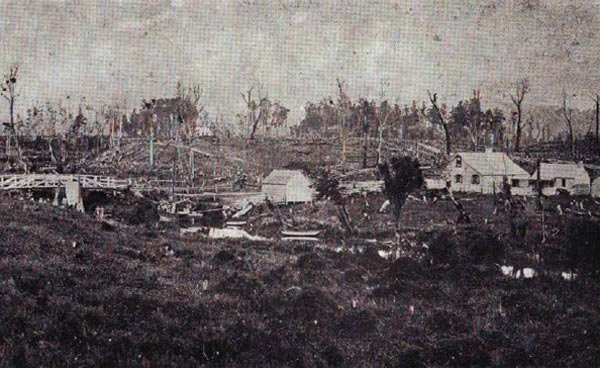
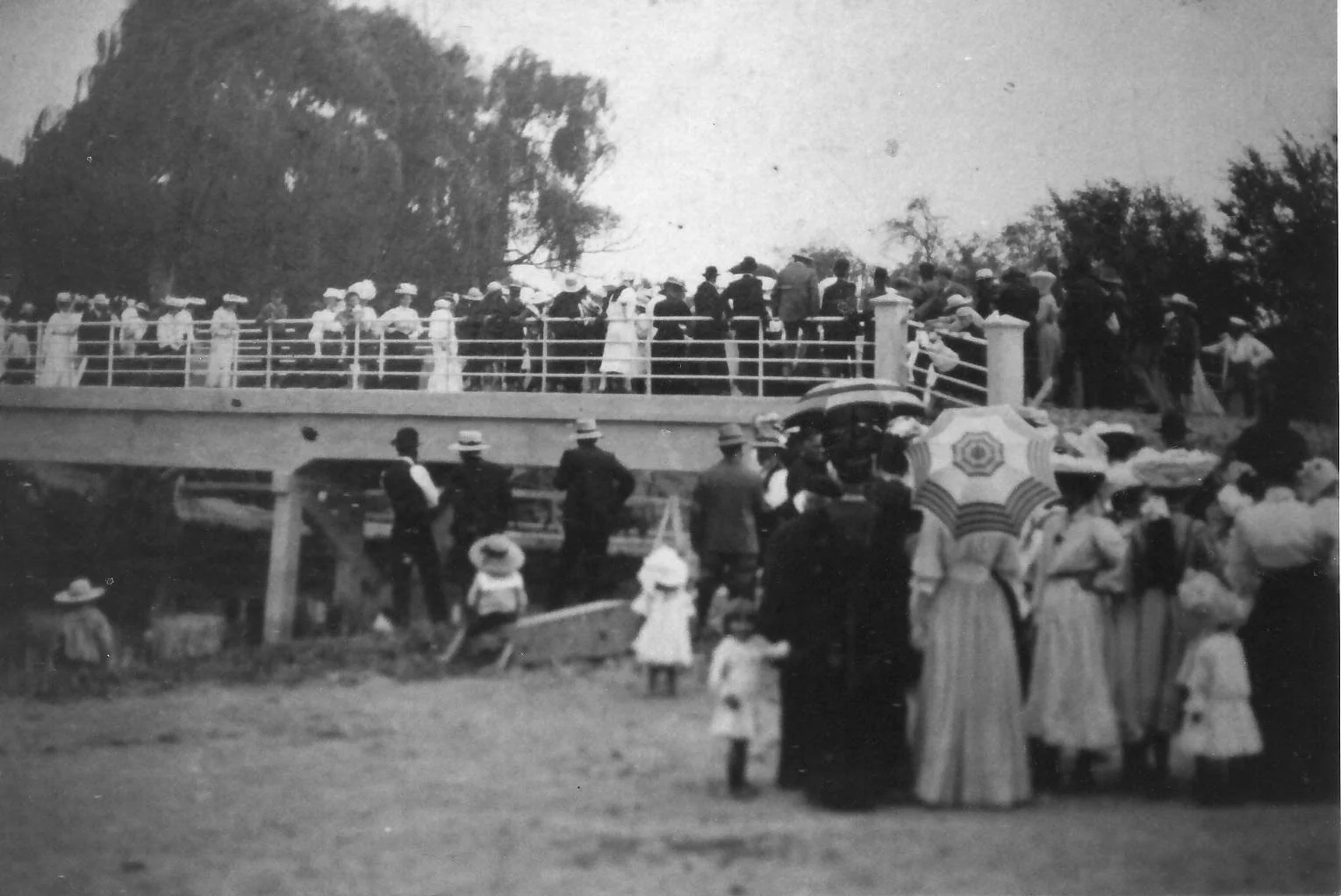
Clevedon Bridge 1886
This photo was taken in 1866 and shows a new building by the bridge and landing, the roomy gabled house that was Thomas Hyde’s store.
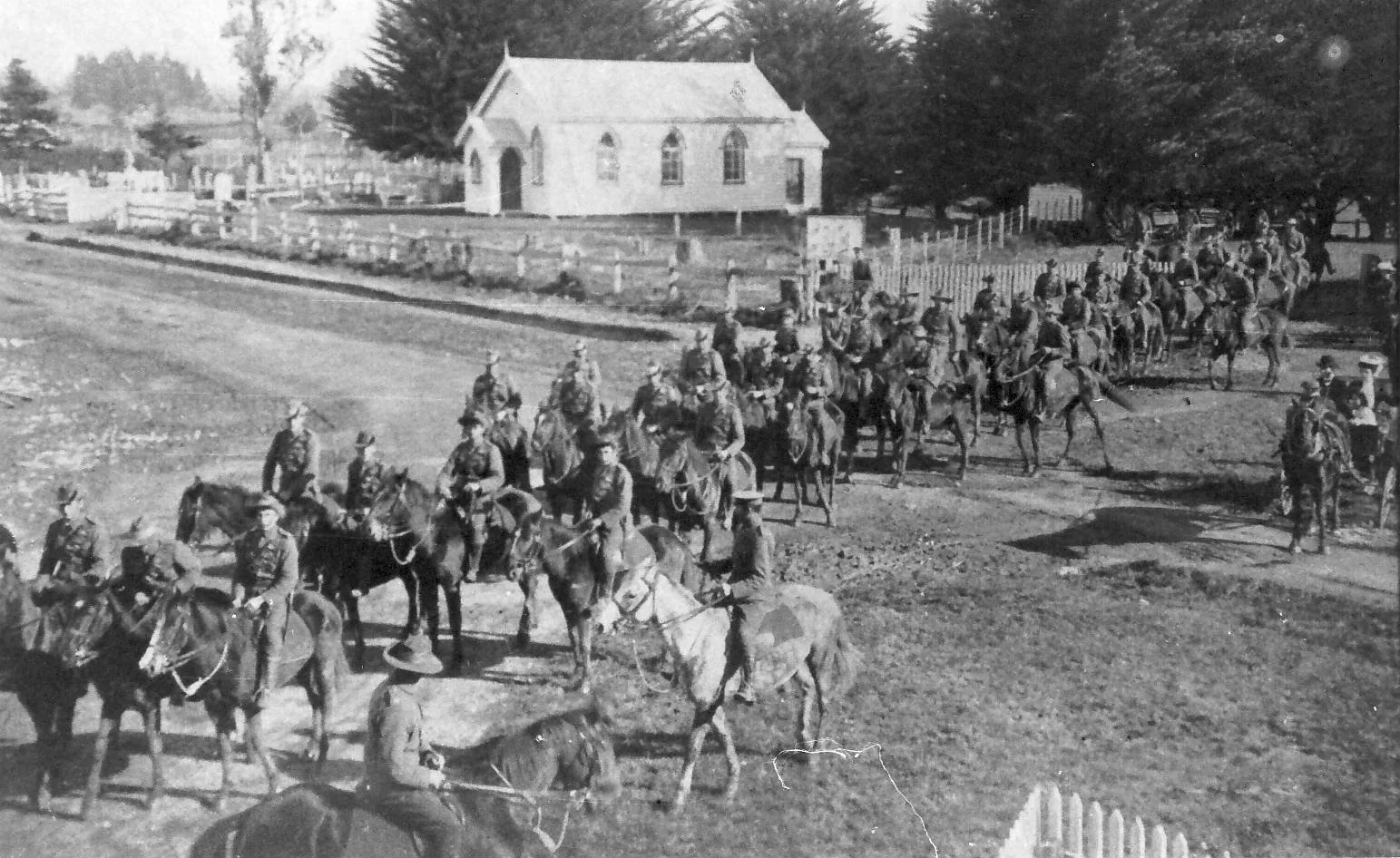
The New Zealand land wars left their mark on Clevedon around 1863. A redoubt was built by the Militia beside the Anglican Church and a stockade constructed by what is now the McNicol Homestead and Museum. There were skirmishes and some deaths from both sides but no major battles. The disruption to settlers however was quite major; wives and children moved to safe havens in Auckland and the stockade providing sanctuary at night for those left behind.
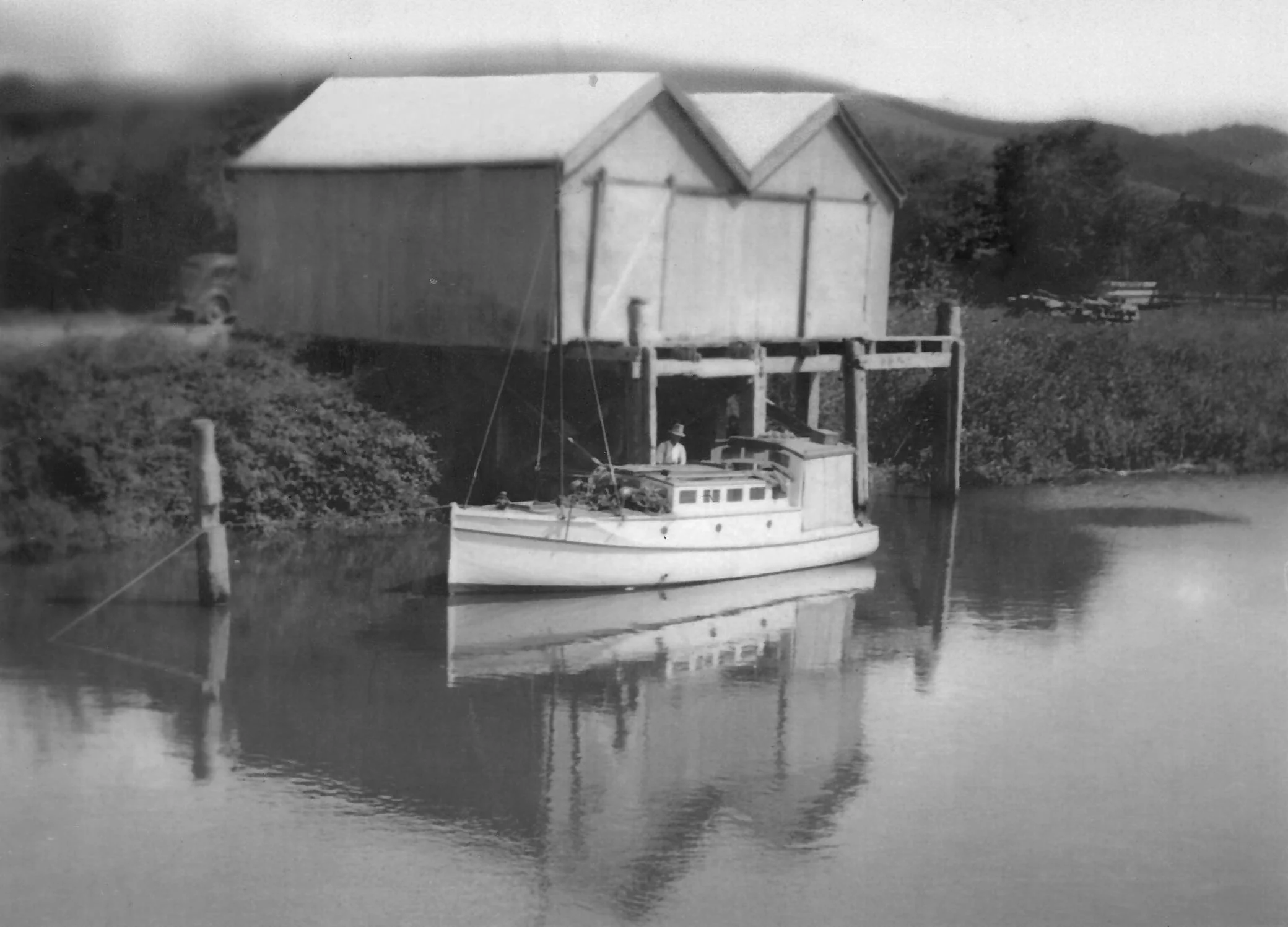
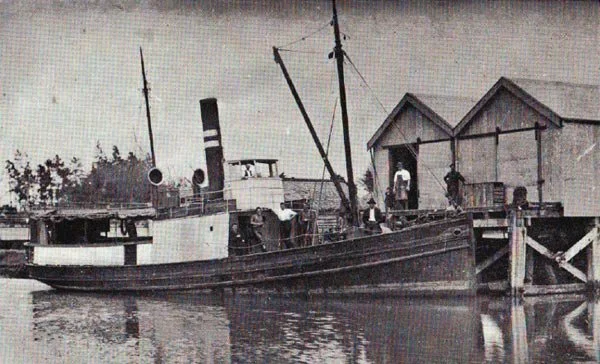
But for the Wairoa River Clevedon would not exist as it is today. The only practical access to the district was by way of the river. The tidal (and navigable) extent stops at the bridge and the journey down river to the Tikapa Moana takes about one hour. All manner of little ships used to navigate up and down the river carrying farming equipment, produce, (predominately butter, manufactured in Clevedon) and people who needed to visit coastal communities or do their shopping in Auckland. As a rule of thumb it was a twelve hour day to Auckland and return; four hours travelling in each direction plus four hours shopping in Queen Street.
-
The most famous of these ships (and last) was undoubtedly the SS Hirere, built at Devonport for the newly established Clevedon Steam Navigation Company in 1896 to ply its trade in the Hauraki Gulf using the “Port of Clevedon” as its base. This regular service continued until 1928 when the road system was improved to the extent that boat traffic was deemed to be uneconomical. Except for the use of safe berthage for private motor vessels the river has returned to its quiet meanderings.
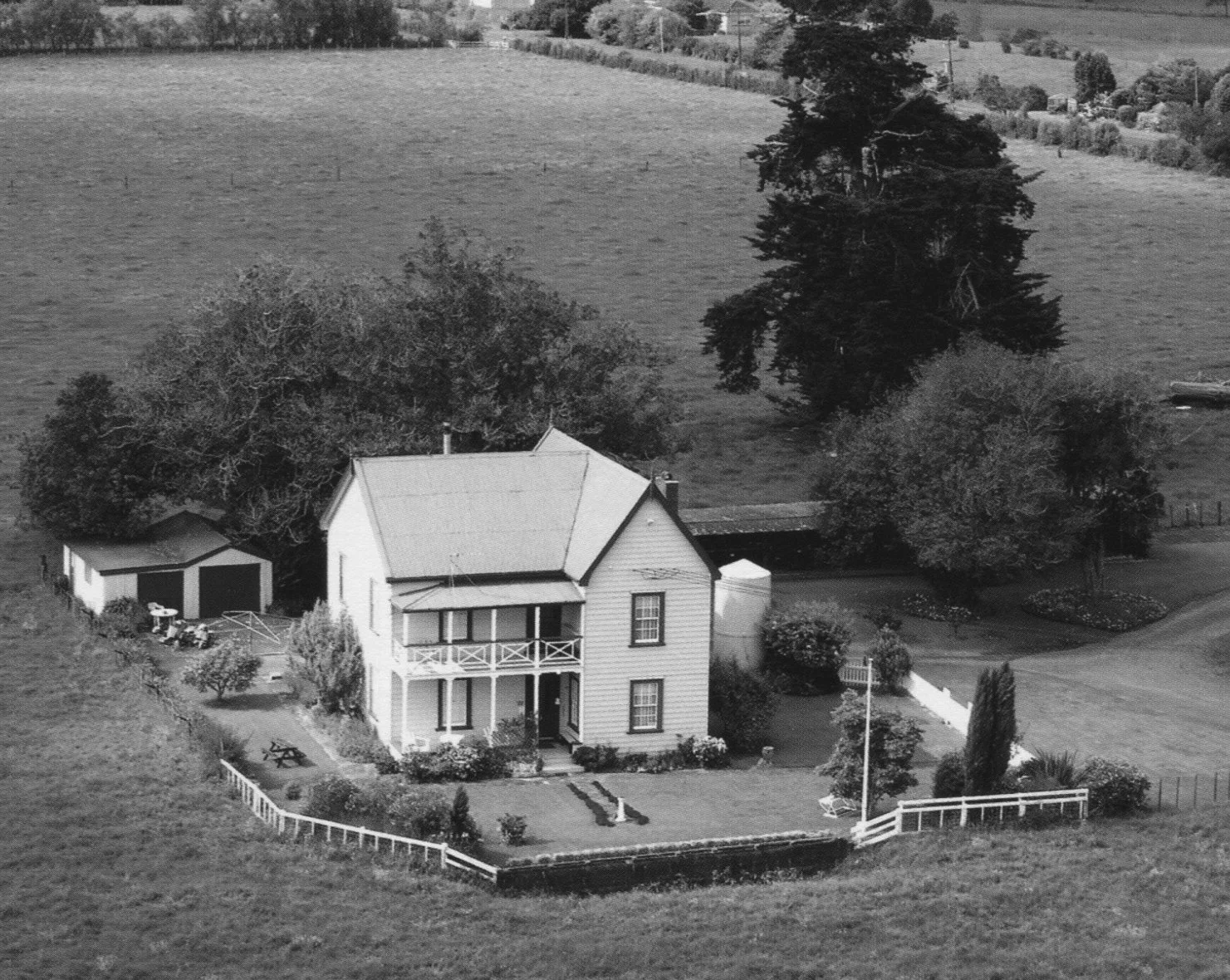
For more information about colonial history, visit McNicol Homestead, home to the Clevedon & District’s Historical Society’s museum. Opening hours are 1-4pm weekends.
Recommended Reading:
-
Clevedon is fortunate to have an exceptionally well-researched published history in the two volume “Voices of Belonging – a history of Clevedon-Te Wairoa”, written by Jessie Munro. This can be borrowed from Auckland Library or purchased from McNicol Homestead.
-
“Yesteryears” by Fraser Murray, a keen local historian and author, describes local history in an entertaining fashion. Copies can be purchased from McNicol Homestead.
-
For a brief summary of Māori and European history see this report: View here
-
For Clevedon School history, visit the history page of the school’s website: View here
Walk Through Clevedon’s History
Take the history beyond the page and explore it for yourself. Follow the Heritage Trail through the village to discover the stories, places and people that have shaped Clevedon.